Building Digitalization Solutions

Building 3D Modeling

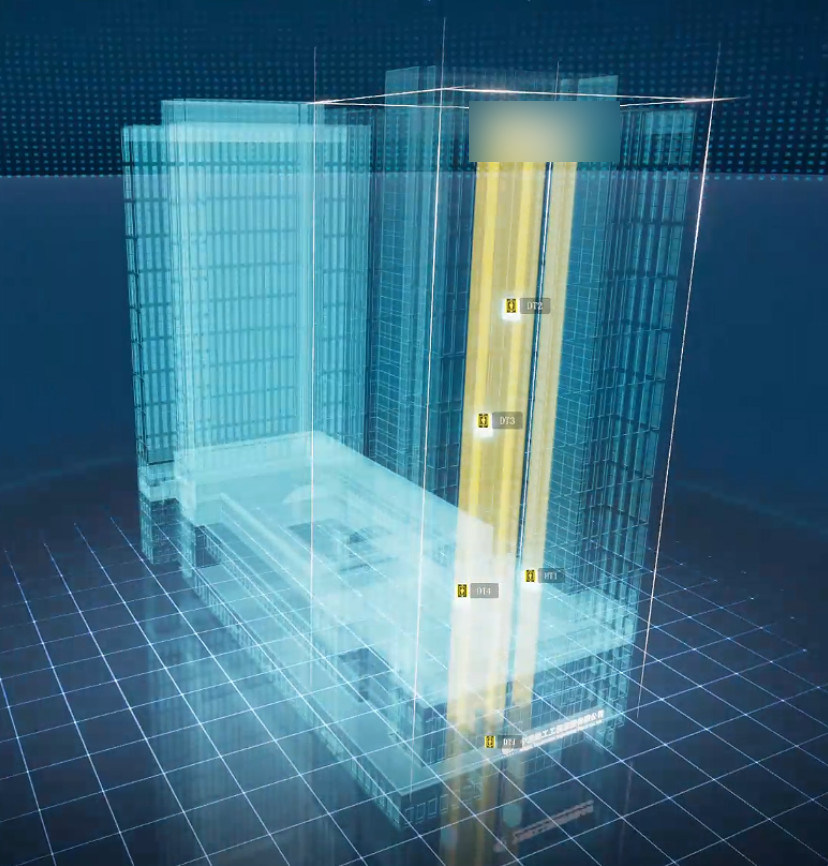
From macro overall to micro components, build a complete building digital twin to empower full lifecycle management of buildings, achieving end-to-end digital management and application from design, construction to operation and maintenance

Building 3D Modeling Display

Building 3D Modeling Service Advantages

Comprehensive construction of building digital twins to provide accurate, efficient, and comprehensive digital support for smart building management

Full Element Modeling

Cover all building elements from structure to equipment components, constructing a complete digital twin

Multi-Method Integration

Combining BIM lightweight, manual detailed modeling, and scanned real-scene modeling to meet different scenario requirements

Multi-Level Precision

Providing L1 to L4 precision options, from macro display to detailed operation and maintenance, adapting to different application scenarios

System Integration

Can be integrated with building automation, energy management and other systems to achieve intelligent building operation and maintenance management

3D Modeling Main Objects

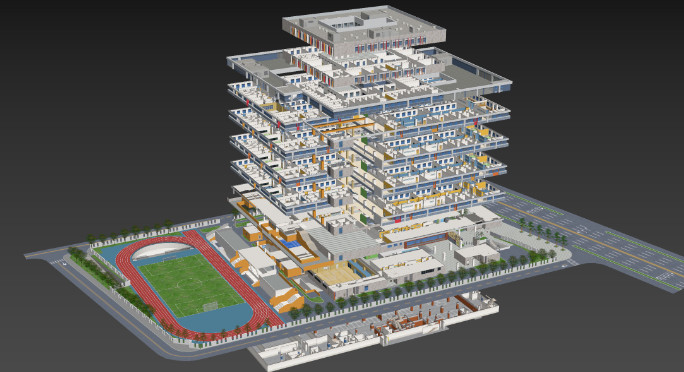
Building modeling aims to construct a full-element digital twin from macro overall to micro components, covering all core elements of the building

Building 3D Modeling Main Objects

Building Structure and Shell

Core structures such as building main body, floors, roofs, stairs, and elevator shafts, forming the basic skeleton and exterior features of the building.

Building Space and Interior

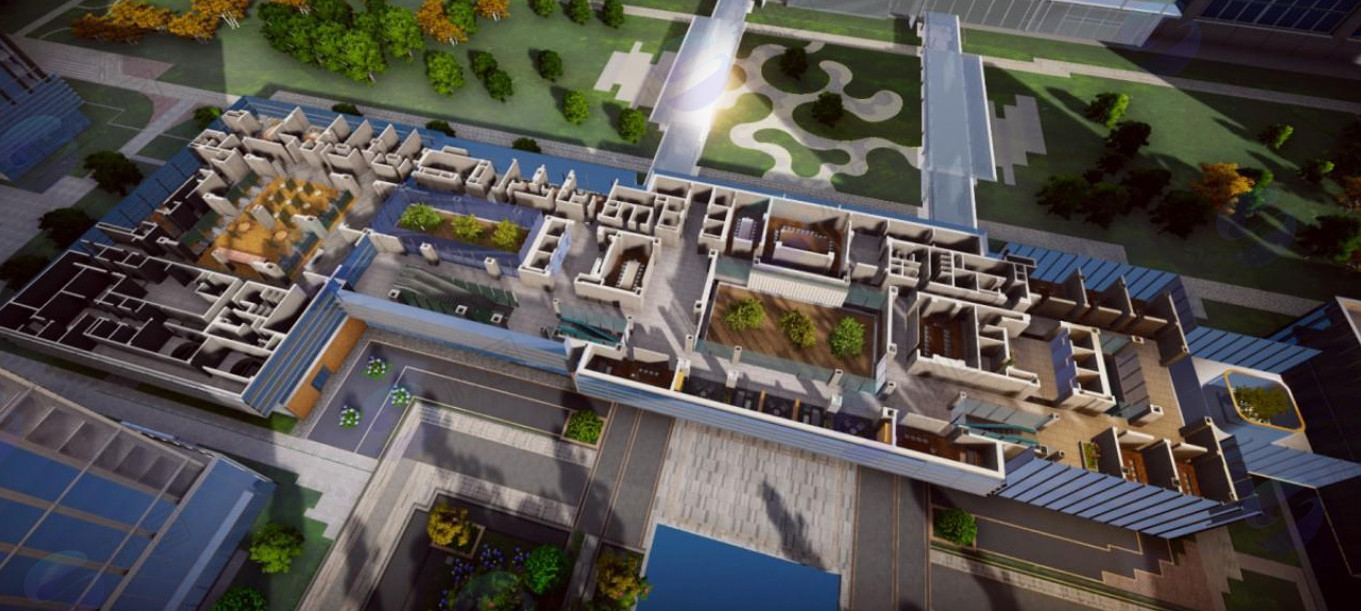
Functional rooms (such as offices, meeting rooms, equipment rooms), halls, corridors, and interior elements such as ceilings, floors, and walls, fully presenting the internal spatial layout of the building.

Key Equipment Systems

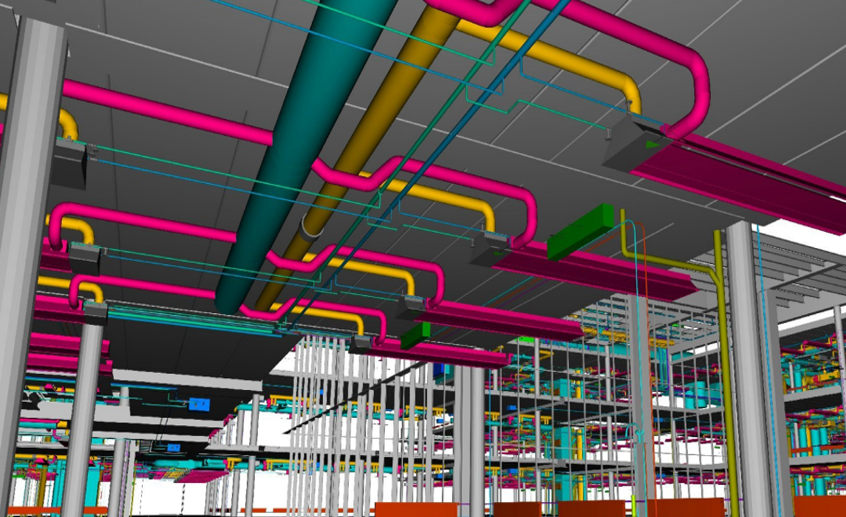
HVAC equipment (air handling units, fan coil units), plumbing systems (pumps, water tanks), power distribution cabinets, fire protection systems (sprinklers, alarms), elevators/escalators and other core equipment.

Pipelines and Endpoints

Ventilation ducts, water pipes, cable trays and their valves, sensors, switches, sockets and other endpoints, fully presenting the internal pipeline network of the building.

Intelligent Facilities

Security cameras, access card readers, lighting fixtures, information display screens and other intelligent equipment, building the building's intelligent sensing network.

3D Modeling Methods

To achieve data connectivity from design to operation and maintenance, multiple advanced modeling technologies are combined

Core Method

BIM Model Lightweight Conversion

Directly utilize BIM models created during building design and construction phases. This model contains complete geometric information and rich engineering attributes, through professional engines for lightweight processing, retaining key structural hierarchy and semantic information, which is the cornerstone for achieving deep operation and maintenance.

Retain complete engineering attributes and semantic information

Achieve data connectivity from design to operation and maintenance

Maintain original structural hierarchy and relationships

Significantly reduce model data volume and improve performance

BIM Model Lightweight Conversion
Manual Detailed Modeling
Supplementary Method

Manual Detailed Modeling

For areas without BIM models or specific equipment requiring special emphasis, manual modeling is performed to supplement details and achieve high interactivity. Professional modelers create high-precision, high-detail 3D models through precise measurement and design documents.

Can create highly detailed models and interactive effects

Compensate for modeling needs in areas without BIM models

Support customized model presentation and interactive logic

Suitable for detailed display of key areas and critical equipment

3D Modeling Requirements and Precision Levels

Meeting the requirements of precise management and efficient interaction for operation and maintenance monitoring, clearly defining modeling precision levels based on application objectives

Model Precision Levels (L1-L4)

L1

Macro Appearance Level

LOD 100-200

Represent basic building volume, contours and spatial layout, without internal details. Used for campus-level macro positioning and display.

Campus Planning Macro Display Positioning
L2

General Layout Level

LOD 200-300

Include clear floor and room divisions, main doors and windows, and large equipment overview. Suitable for space management and emergency planning.

Space Management Emergency Planning Path Analysis
L3

Component Precision Level

LOD 300-400

Equipment, pipelines and other elements are modeled according to actual dimensions and shapes, clearly distinguishing different types of components with basic attributes. Meets most O&M applications.

Daily O&M Equipment Management Space Analysis
L4

Detailed O&M Level

LOD 400-500

Models include operable components of equipment, dashboard readings and interface details, supporting disassembly animations and precise data binding. Suitable for deep O&M simulation.

Detailed O&M Simulation Training Remote Operation

Core Modeling Requirements

Geometry and Information Precision

Model dimensions, proportions and spatial positions must strictly match the physical building, and key equipment and pipeline attribute information (such as model, parameters) should be complete and accurate to ensure the authenticity of the digital twin.

Deep Lightweight and High Performance

Professional geometric simplification, LOD (Level of Detail) automatic switching and texture compression must be performed to ensure second-level loading and smooth real-time interaction on the web side, improving user experience.

Complete Structuring and Semanticization

Models must be organized according to the logical tree of "building-floor-space-equipment-component", and each object must be assigned a unique identifier to make it a recognizable and queryable "digital asset".

Standardized Data Interfaces

Model data must follow industry standard formats and provide standardized interfaces to ensure seamless integration with various building management systems and achieve data interconnection and linkage control.

Scalability and Maintainability

The model architecture should have good scalability, supporting rapid iteration of changes such as building renovation and equipment updates, while providing convenient maintenance tools to ensure long-term model effectiveness.

Integrable Subsystem Types

3D models as a unified digital foundation can be deeply integrated with multiple core subsystems to achieve intelligent building management

Building Automation System

Real-time mapping of equipment operation status, start/stop control and fault alarms for HVAC, ventilation, lighting and other equipment on the model to achieve visual monitoring and remote control of equipment operation.

Equipment Monitoring Remote Control Fault Alarm

Energy Management System

Associate electricity, water, gas and other metering instruments with the model to visually display energy flow, itemized energy consumption data and energy efficiency indicators to assist in locating energy waste points.

Energy Consumption Monitoring Energy Efficiency Analysis Energy Saving Optimization

Security and Fire Protection System

Bind cameras, access control, intrusion alarms, fire sprinklers and other equipment with the model to achieve precise positioning of alarm events in 3D space, video linkage and emergency evacuation simulation.

Security Monitoring Fire Alarm Emergency Evacuation

Asset and O&M Management System

Associate equipment inventory, inspection plans, maintenance work orders and maintenance records to achieve full lifecycle visual management of building facility assets.

Asset Inventory Maintenance Management Inspection Planning

Space and Leasing Management System

Bind the model with room leasing status, workstation utilization rate, meeting room reservation status and other data to achieve visual management and efficient utilization of space resources.

Space Planning Leasing Management Resource Optimization

Building Digital Twins to Empower Intelligent O&M Management

Through building 3D modeling, transform buildings from static "concrete and steel" entities into dynamic, perceptible intelligent entities, providing core digital support for achieving safe, green, efficient and low-cost operation and maintenance.

Consult Building Modeling Solutions
Contact Us

Consult 3D modeling solutions
Get a customized quote

Whether you need to understand the details of 3D modeling technology or want to get a project quote, our professional team will provide you with one-on-one consultation services.

Company Address

Room 1-1501, Jinhua Garden, No. 385 Jiaotong Avenue, Danyang Street, Xiaonan District, Xiaogan City, Hubei Province, China

Contact Phone

(+86)13004585899

Contact Email

service@secondmap.cn

微信二维码

Scan with WeChat

Inquiry form