Build a comprehensive digital twin covering everything from macro factory areas to micro equipment, connect design, production, and operation data throughout the entire process, achieve factory visual management and intelligent decision-making, empowering intelligent manufacturing transformation and upgrading
Create high-precision, high-fidelity, high-performance factory digital twins to provide visual support for intelligent manufacturing
From factory environment to core equipment components, fully covering all physical elements of the factory and building complete digital twins
Combining BIM conversion, manual modeling, laser scanning and other technologies to accurately reproduce real factory scenes
Support seamless integration with MES, SCADA, EAM and other systems to achieve deep integration of business data and 3D models
Professional lightweight processing to ensure smooth visual experience and interactive response even in large-scale model scenarios
Build a comprehensive digital twin covering everything from macro factory areas to micro equipment, achieving full factory digitalization
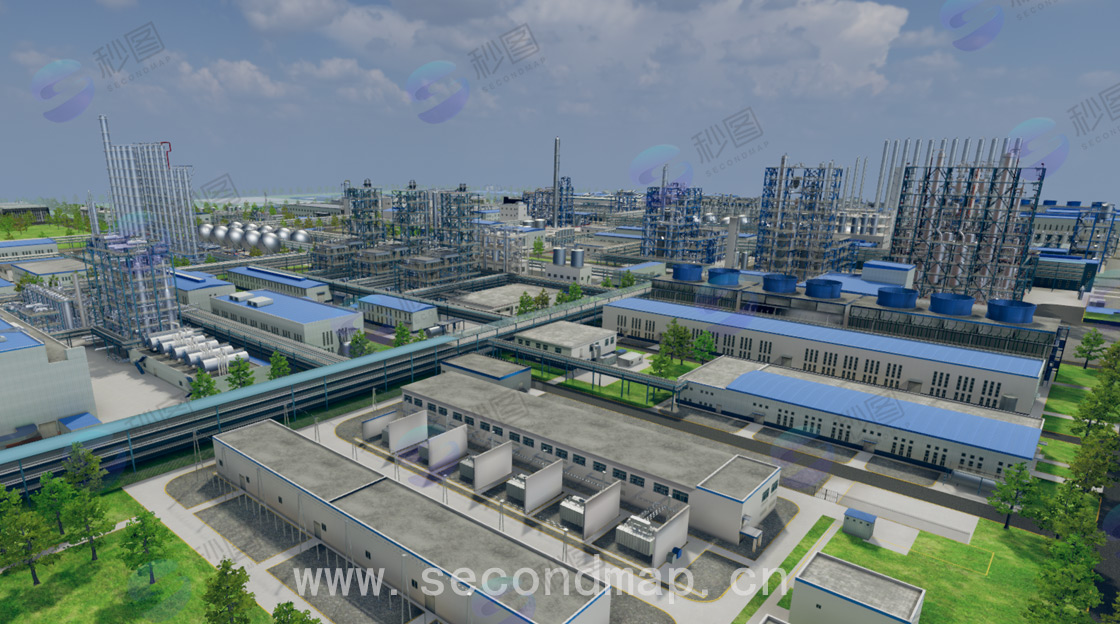
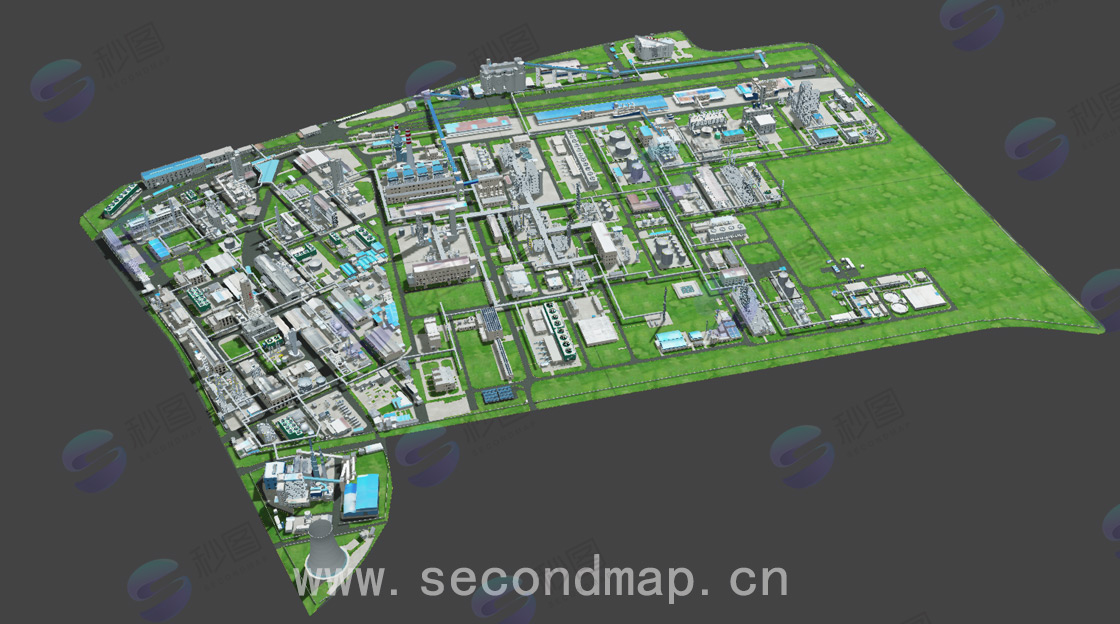
Precisely model the factory's overall spatial environment, build the basic framework for digital twins, including factory terrain, road networks, green landscapes, and various buildings.
Factory terrain and topographic undulations
Internal roads, parking lots, and traffic signs
Green areas, landscape facilities, and walls
Workshops, warehouses, office buildings, control rooms, and other buildings
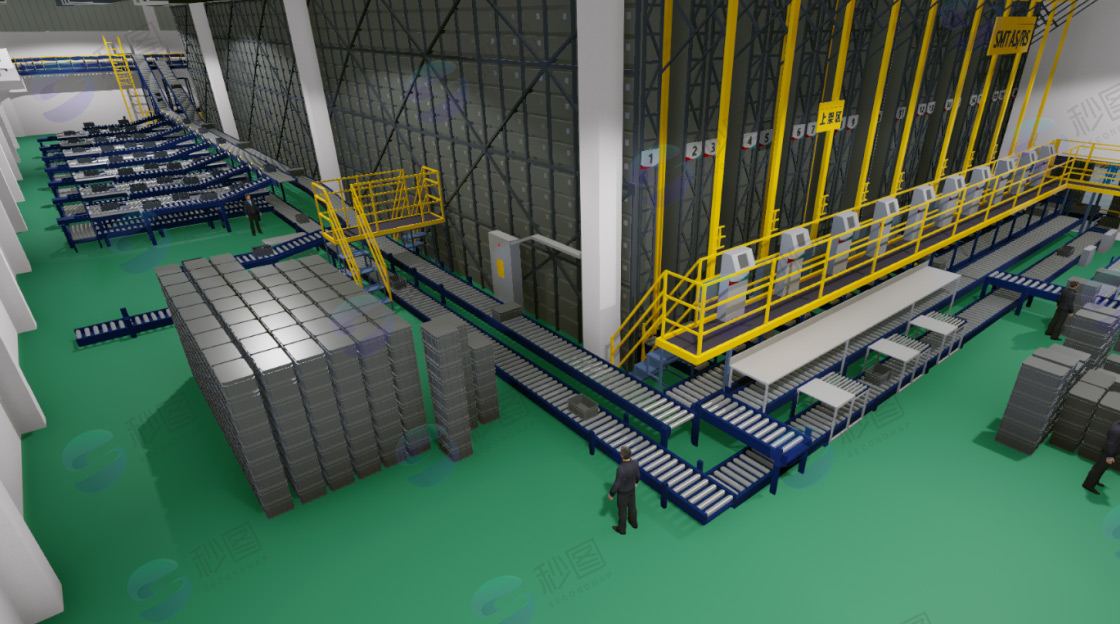
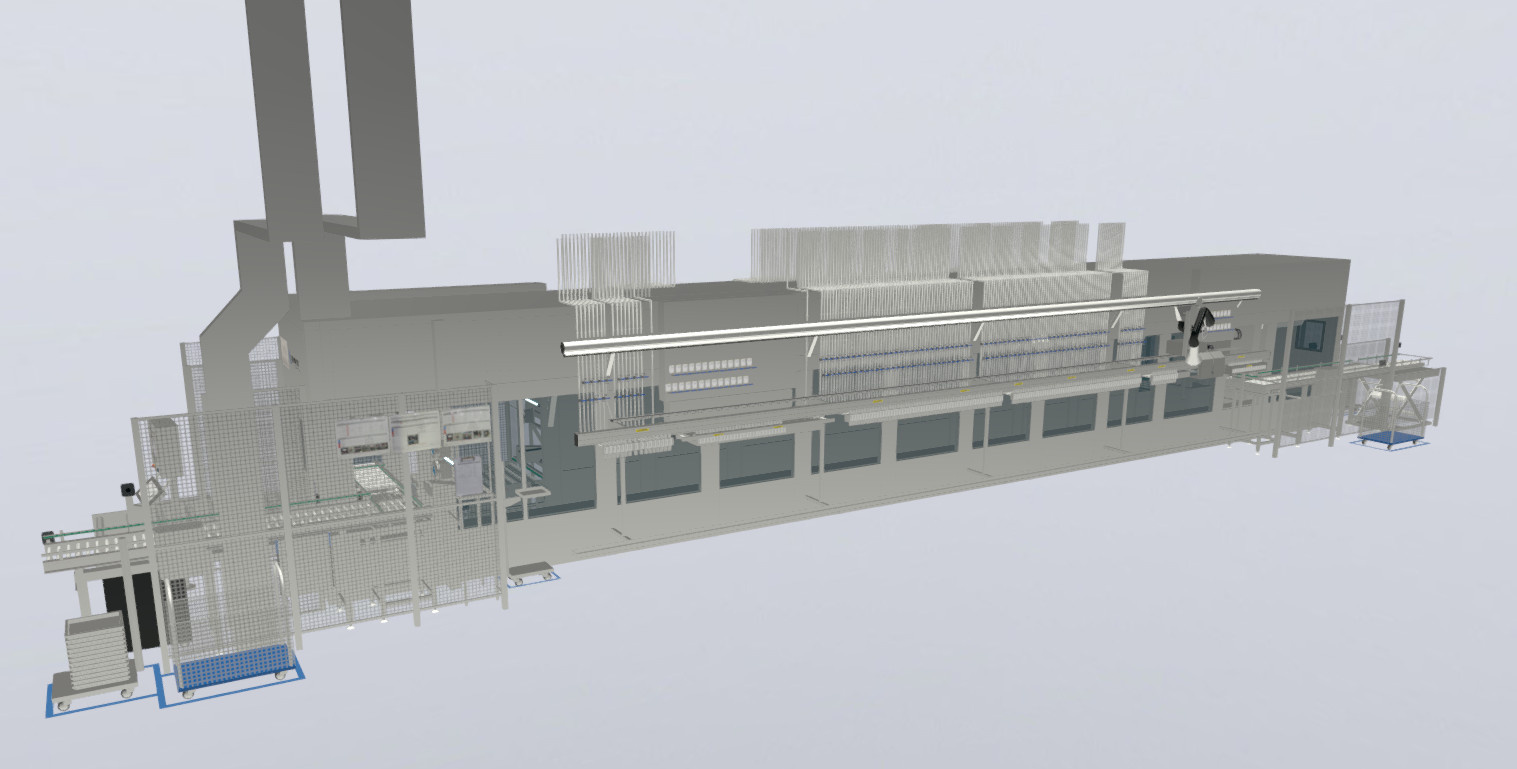
Precisely reproduce production lines, assembly lines, flow lines, and various production equipment on them, which are the core components of factory digital twins, supporting production process visualization and simulation.
Overall layout of various production lines, assembly lines, and flow lines
Machine tools, reaction tanks, molding machines, and other processing equipment
Conveyor belts, transport tracks, and other material conveying systems
Industrial robots, robotic arms, and other automation equipment
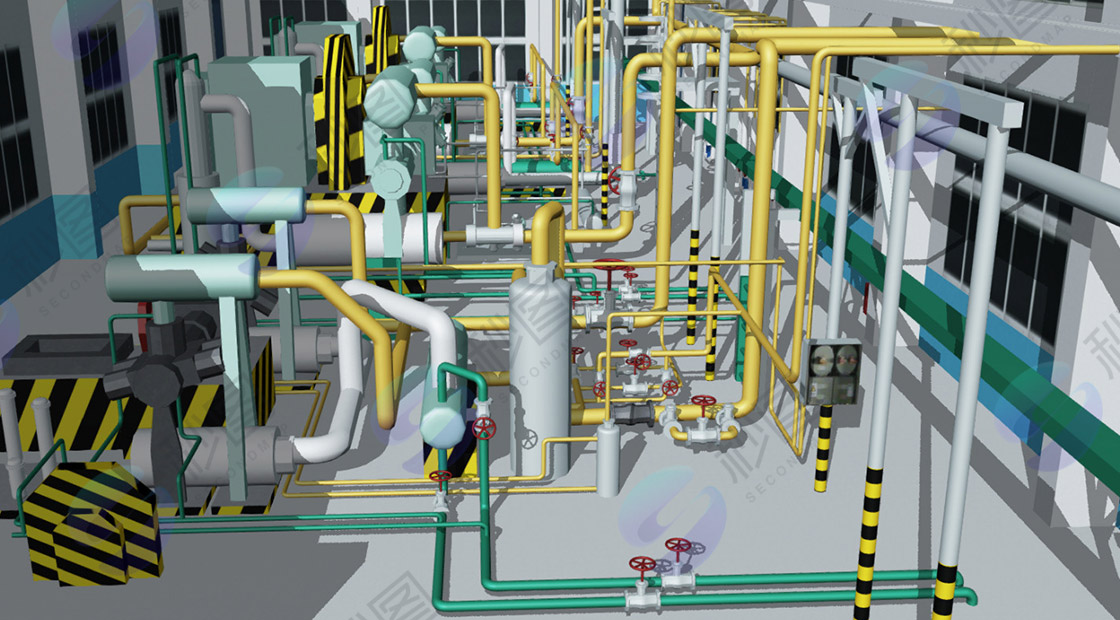
Refine modeling of complex pipeline systems and auxiliary facilities in the factory, supporting visualization and analysis of energy and medium flows.
Model factory warehouse space and logistics equipment to achieve visual management of inventory status and logistics processes.
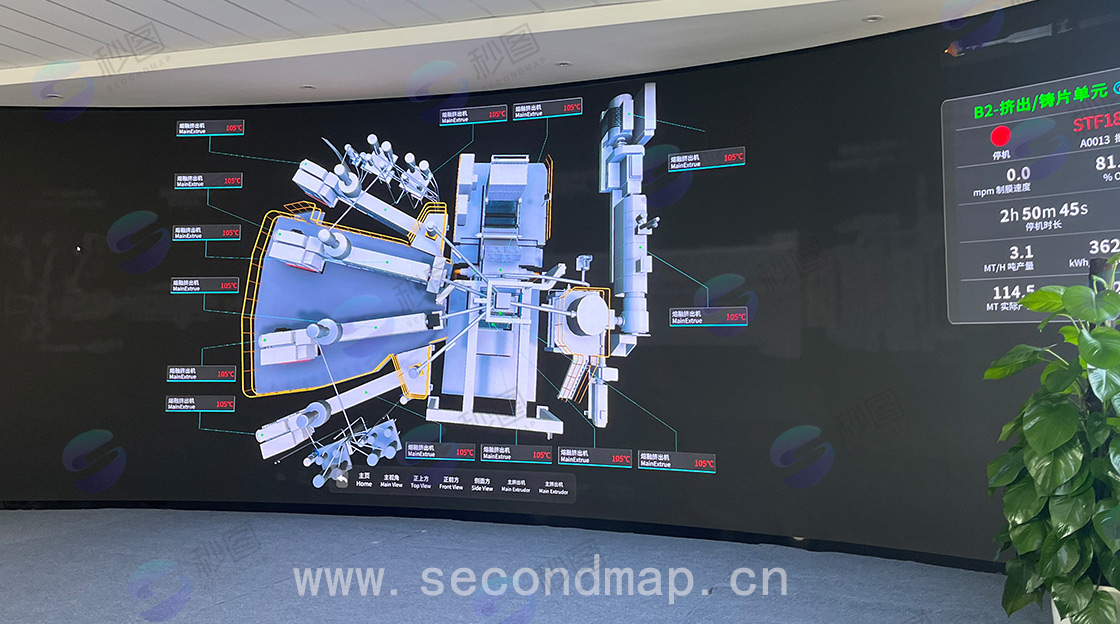
Refine modeling of movable parts and control components of core equipment to support equipment status monitoring and interactive operations.
Adopt modeling methods that integrate multiple technologies, selecting the most suitable solution based on object characteristics and application goals
For new or renovation projects, directly utilize BIM (Building Information Modeling) and equipment CAD models from the design stage, perform lightweight processing and format conversion through professional engines, preserving the model's structural hierarchy and engineering data to the greatest extent.
Perform high-precision modeling of core equipment and customized production lines without BIM models, accurately reproducing their appearance, structure, and assembly relationships to meet the detailed display and interaction needs of complex equipment.
For existing, structurally complex factory environments, use laser scanning or drone tilt photography to quickly generate highly realistic 3D models of real scenes, suitable for old factory area digitalization and renovation planning.
Perform parametric batch generation of regular, repetitive elements (such as pipes, racks, standard equipment), greatly improving modeling efficiency and standardization levels, facilitating subsequent modification and maintenance.
To ensure efficient operation and in-depth application of visual systems, models must meet core technical specifications
Model dimensions, proportions, and spatial positions must be strictly consistent with the physical factory, which is the basis for spatial analysis, equipment positioning, and layout optimization. The modeling accuracy of key equipment can reach millimeter-level, ensuring the accuracy of various simulation analysis results.
Professional model reduction, LOD (Level of Detail) classification, and texture compression optimization must be performed to ensure real-time rendering and smooth interaction when carrying massive models of the entire factory, meeting multi-terminal, multi-scenario application needs.
Models must be hierarchically organized according to the logical tree of "factory-workshop-production line-equipment-component", and key model objects must be assigned unique IDs and attribute information to achieve precise binding with business data and support data-driven visual applications.
Develop unified modeling specifications, naming rules, and coordinate systems to ensure seamless integration and collaborative management of multi-source, multi-precision models. Unified material libraries and rendering standards ensure consistency and professionalism of visual effects.
3D models serve as a unified digital platform that can be deeply integrated with key business subsystems to achieve data visualization
Real-time mapping of production order progress, equipment operation status, material location and other information on the model, achieving visual monitoring and scheduling of the entire production process, improving production efficiency and response speed.
Bind equipment, instruments on the model with real-time process data (such as temperature, pressure, flow), achieving transparent monitoring of operating conditions and precise positioning of abnormal alarms, improving equipment reliability.
Link equipment ledger, maintenance history, inspection plans, and spare parts inventory to achieve visual management of the entire asset lifecycle and preventive maintenance, reducing operation and maintenance costs and extending equipment life.
Link with automated warehouse, shelf, and AGV models to visualize real-time inventory status, location information, and AGV running trajectories, optimizing warehouse space utilization and logistics path planning.
Real-time display of personnel positions in the model, achieving electronic fences, safety warnings, and emergency evacuation simulations, improving factory safety management levels and ensuring personnel operation safety.
Link energy pipelines (electricity, water, gas) with metering instrument models to visualize and analyze energy consumption data and flows, assisting in energy-saving decisions and reducing energy consumption and costs.
Whether you need to understand the details of 3D modeling technology or want to get a project quote, our professional team will provide you with one-on-one consultation services.
Room 1-1501, Jinhua Garden, No. 385 Jiaotong Avenue, Danyang Street, Xiaonan District, Xiaogan City, Hubei Province, China
(+86)13004585899
service@secondmap.cn
Scan with WeChat