High-Precision Digital Asset Construction

Manual 3D Modeling

Providing manual 3D modeling services with full L1-L5 precision levels, from macro buildings to micro components, creating accurate digital asset foundations for digital twins, 3D visualization, virtual simulation, and other fields

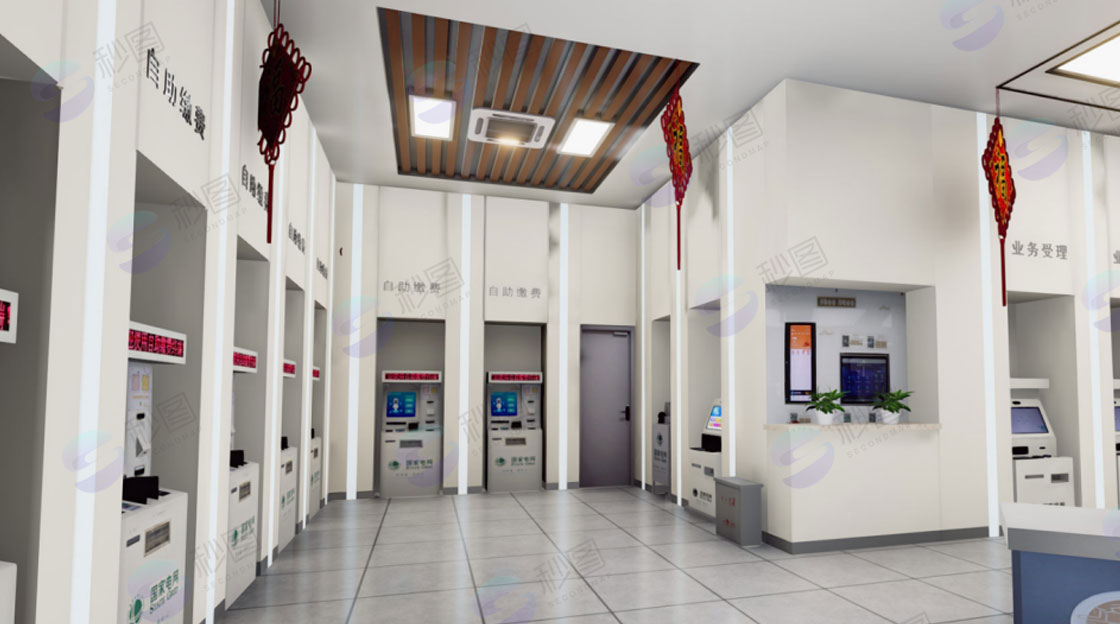
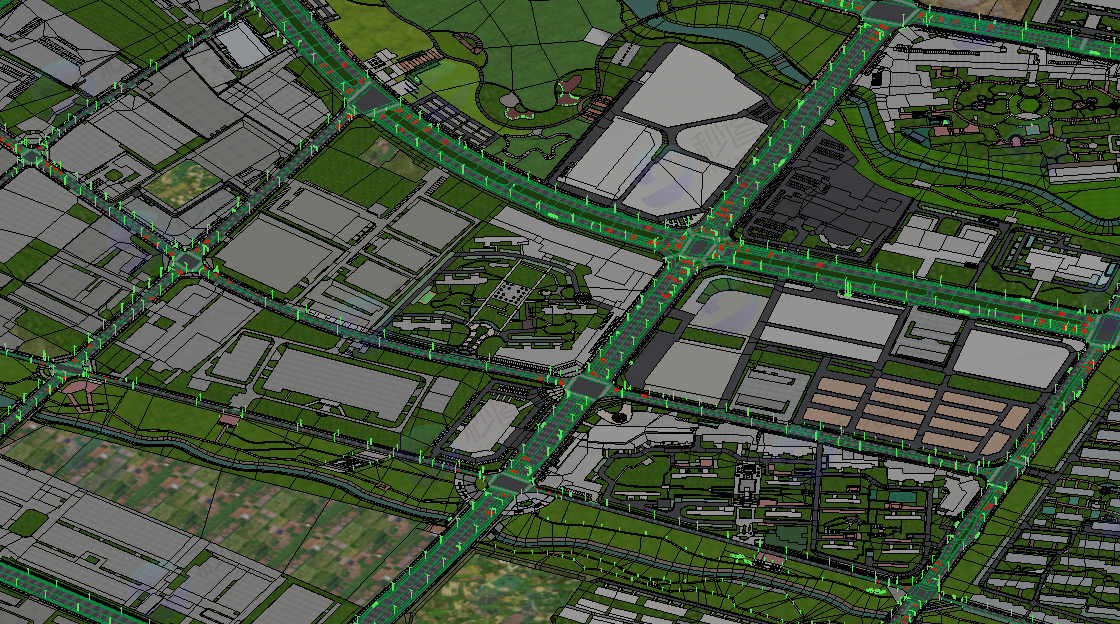
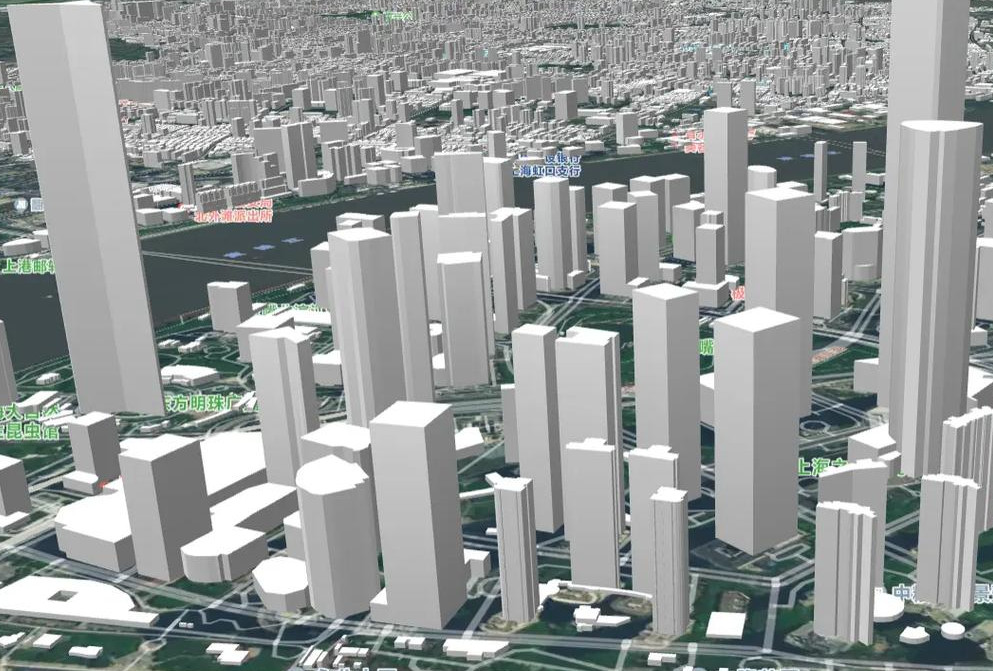
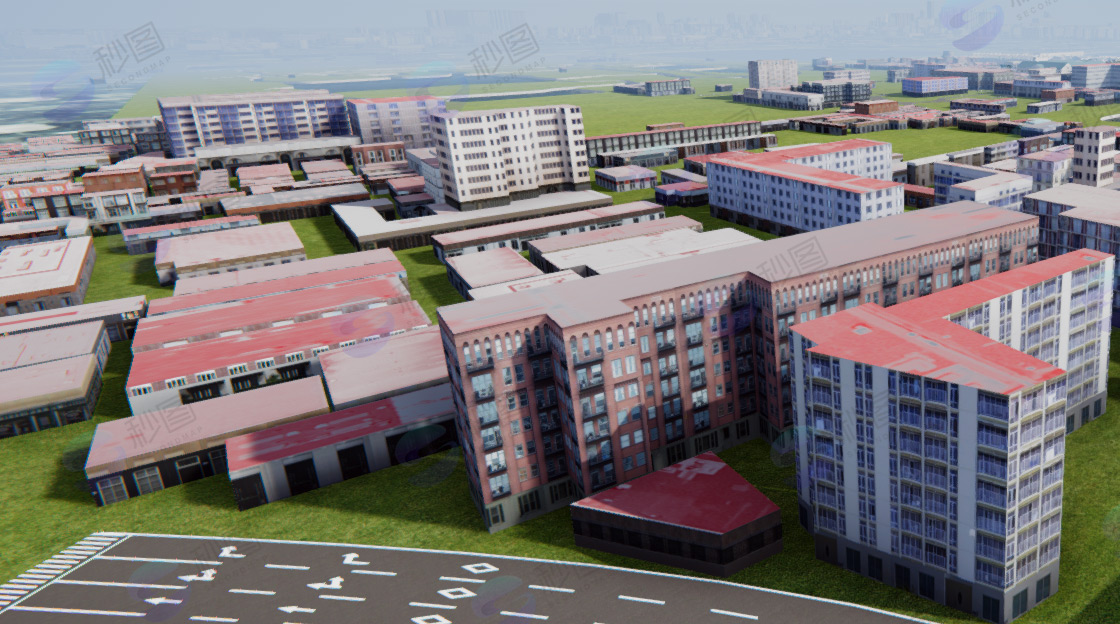
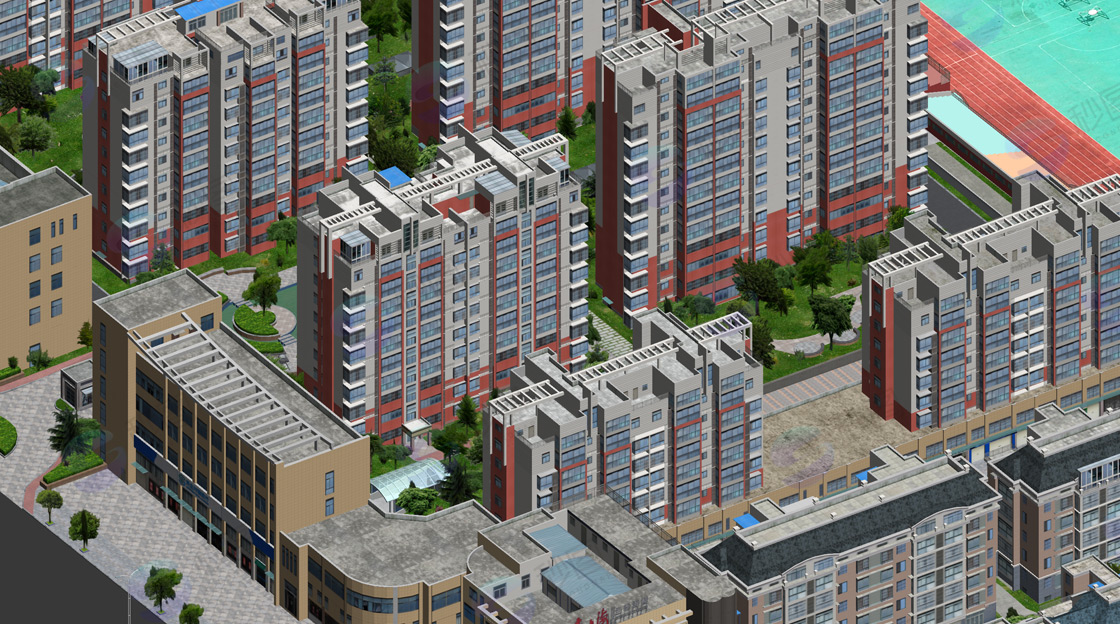
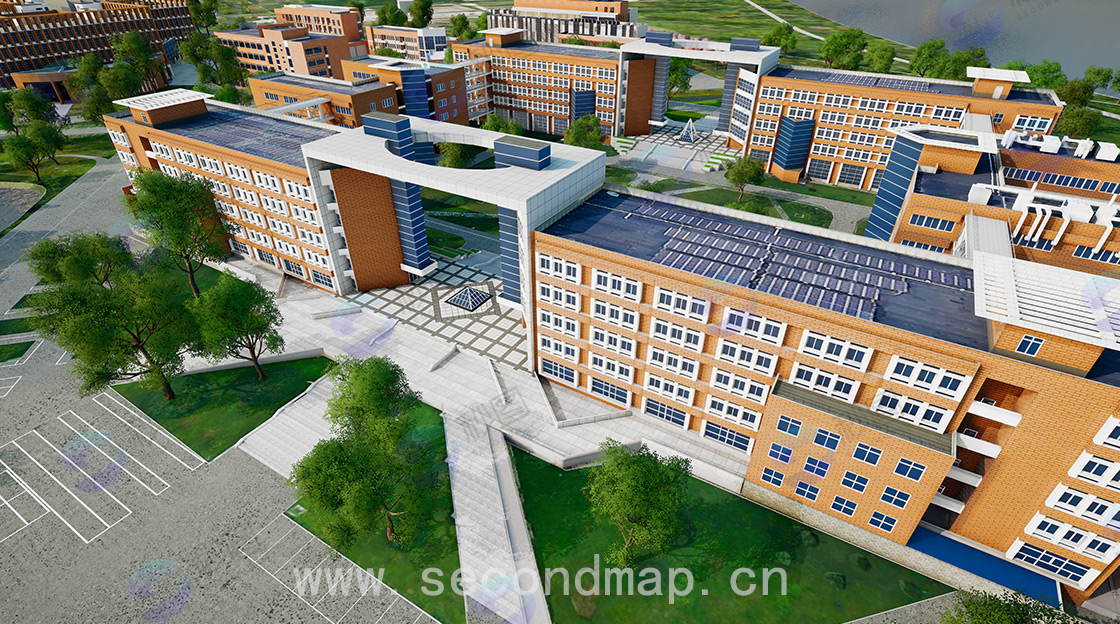
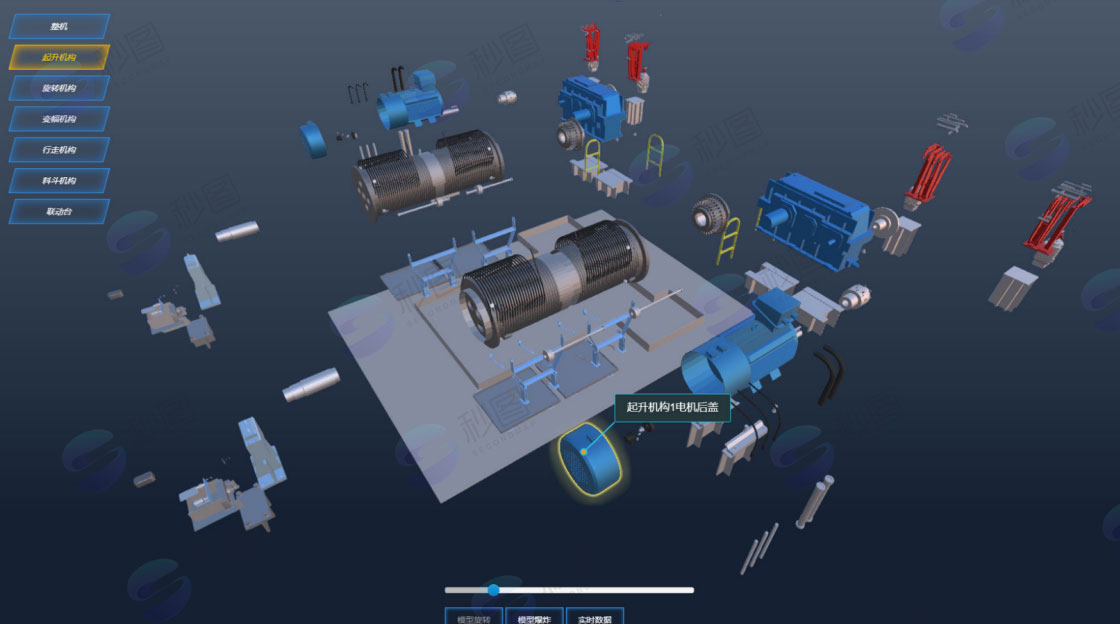
Manual 3D Modeling Effect Display
Full L1-L5 Precision Level Coverage

Professional manual modeling to meet different scenario requirements

Digital Twin
3D Visualization
GIS Applications
Virtual Simulation Training
Games and Film
Industrial Manufacturing

3D Modeling Subject Objects

Manual 3D modeling covers a wide range of objects from macro to micro, aiming to build the geometric foundation of the digital world

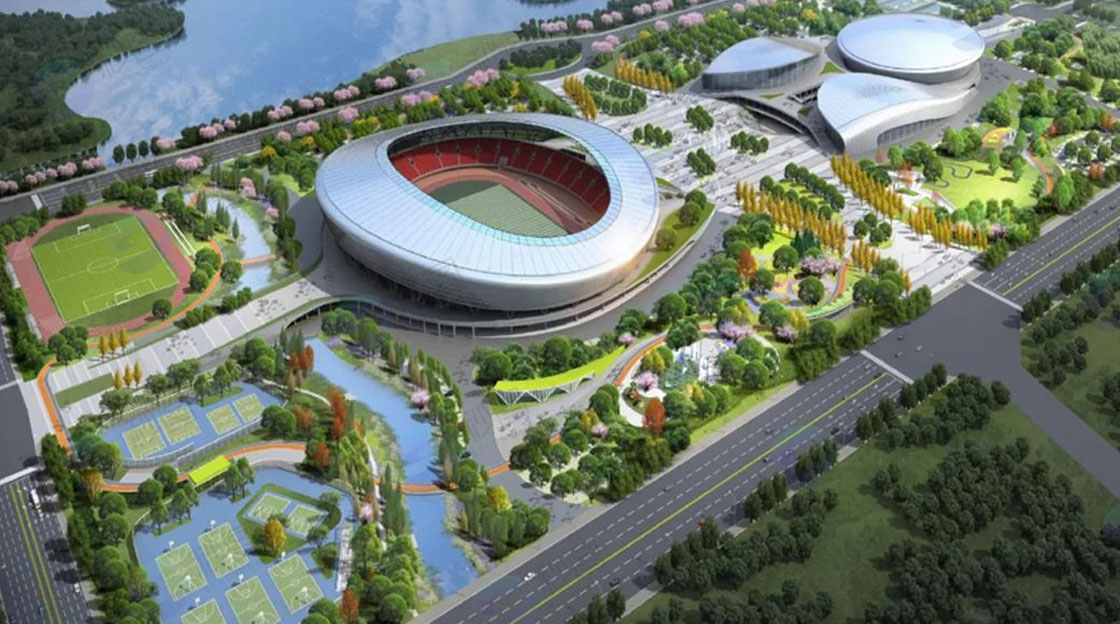
Building and Facility Modeling

Buildings and Facilities

  • Various buildings (offices, factories, venues)
  • Bridges, roads, towers and other infrastructure
  • Public facilities and special building structures
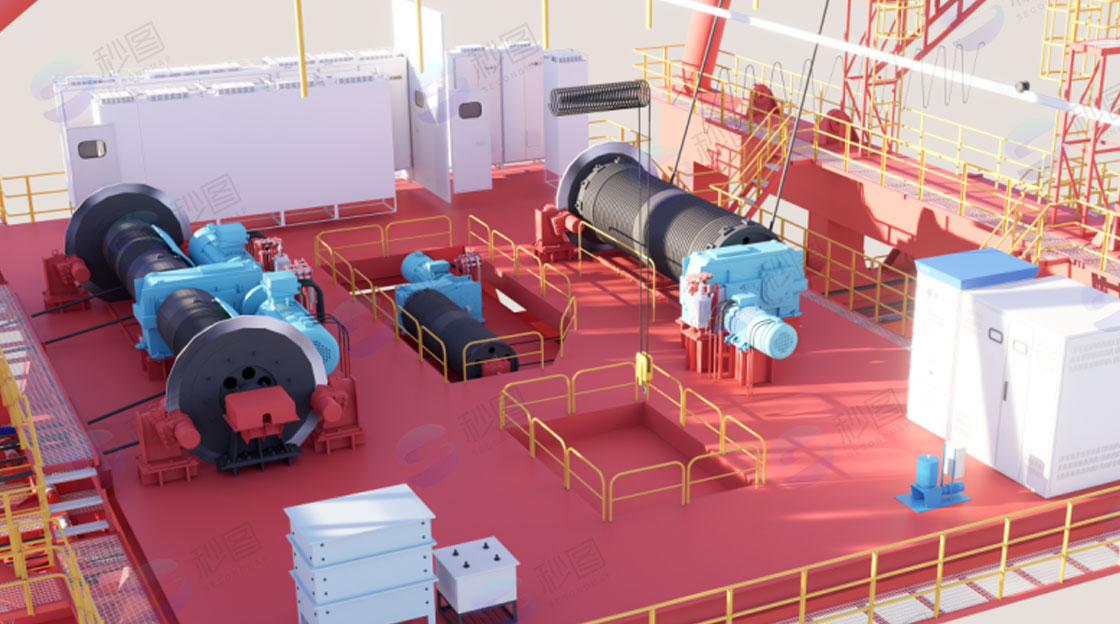
Industrial Equipment Modeling

Industrial Equipment

  • Various mechanical equipment and precision instruments
  • Production lines, vehicles, ships and other large equipment
  • Reaction tanks, pipeline systems and other industrial facilities
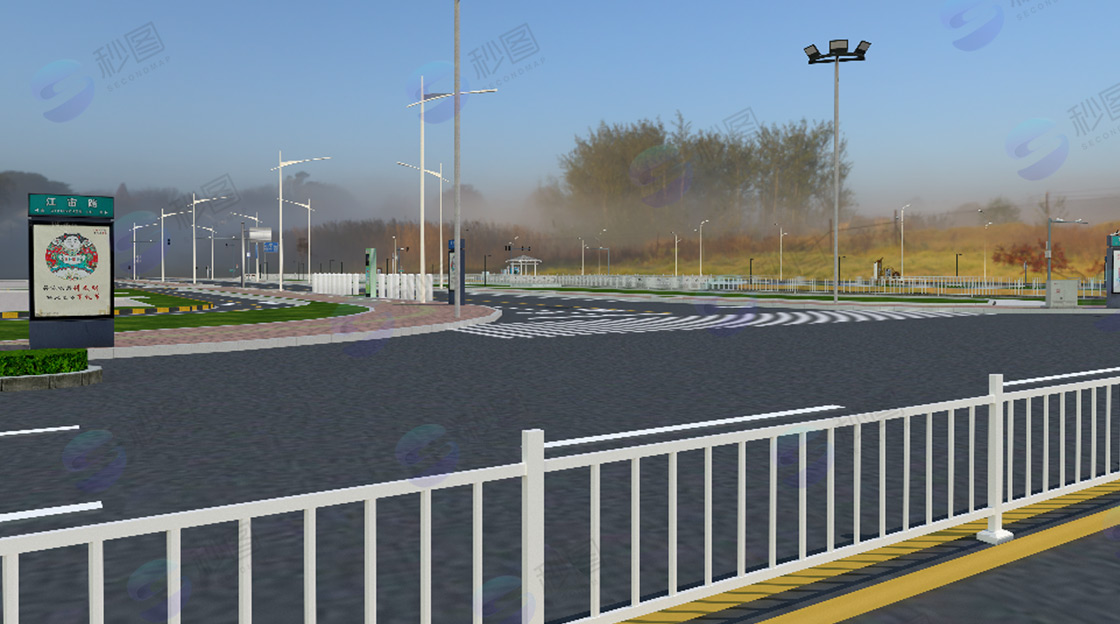
Urban Component Modeling

Urban Components

  • Streetlights, traffic signals and other municipal facilities
  • Green landscapes, street furniture and other environmental elements
  • Public art installations and urban ornaments
Interior Space and Equipment Modeling

Interior Spaces and Equipment

  • Various rooms, partitions and internal structures
  • Control panels, cabinets and other key equipment
  • Office furniture and interior decoration elements
Natural Terrain Modeling

Natural Terrain

  • Mountains, hills and other terrain forms
  • Rivers, lakes, canyons and other hydrological landforms
  • Vegetation coverage and natural landscape elements

Core 3D Modeling Requirements

To meet high-end visualization and interaction requirements, manual modeling must follow strict specifications and standards

Model Structure Specifications

Ensuring models have clear organizational structures to provide a reliable foundation for subsequent applications

  • Model origin centered to ensure coordinate system consistency
  • Unified axis orientation, compliant with industry standard direction specifications
  • Clear and reasonable hierarchical structure for easy management and control
  • Unified naming conventions for easy identification and retrieval

Geometric Topology Optimization

Building efficient and reasonable model topology structures to balance detail and performance

  • Using as few faces as possible to represent model shapes, optimizing performance
  • Avoiding triangle faces and N-gon faces, ensuring quad face manifold
  • Reasonably dividing model structures to ensure smooth and natural edges
  • Ensuring model topology structure supports efficient animation and rendering

UV Unwrapping and Texture Mapping

Accurate texture coordinates and mapping to present realistic visual effects

  • Reasonably unwrapping UVs for models to ensure no stretching or overlapping textures
  • Maximizing UV space utilization to improve texture efficiency
  • Natural texture seam processing to avoid obvious拼接痕迹
  • Supporting PBR material systems to achieve realistic lighting effects

Resource Specifications and Performance

Strictly controlling resource scale to ensure efficient operation on all platforms

  • Strictly controlling model face count, reasonably allocated according to application scenarios
  • Using appropriate texture dimensions and formats (PNG, JPG, WEBP)
  • Implementing effective LOD grading to adapt to different performance requirements
  • Ensuring efficient performance表现 in real-time rendering engines

L1-L5 Modeling Precision Differences

Precision levels define the detail depth and information content of models at different stages to meet diverse requirements

L1 Concept Block Precision
L1

Concept Blocks

Detail Precision Basic Concept Level

Only representing the basic geometric shapes and approximate dimensions of objects, used for macro planning, layout and volume analysis. Face count controlled to minimum levels, without detailed structures and texture information.

Very Few Faces No Textures Rapid Construction Macro Planning
L2 Basic Geometry Precision
L2

Basic Geometry

Detail Precision Basic Structure Level

Possessing basic structural divisions and main features, such as buildings with clear floors and roof structures, but without window frames and other details. Used for preliminary design and spatial analysis, including simple material differentiation.

Fewer Faces Basic Materials Structure Differentiation Preliminary Design
L3 Generic Model Precision
L3

Generic Models

Detail Precision Standard Detail Level

Containing accurate dimensions, main components and realistic texture maps. Standard deliverables for most visualization projects (such as smart cities, digital twins), balancing detail表现 with performance requirements.

Medium Face Count Realistic Textures Standard Precision Digital Twin
L4 Fine Model Precision
L4

Fine Models

Detail Precision High Precision Level

Containing all necessary details, such as bolts, buttons, cables, interiors, etc., supporting close inspection and partial animation. Used for high-fidelity simulation, product display and maintenance training, with rich detail表现.

High Face Count Fine Textures Rich Details
L5 Simulation/Photorealistic Model Precision
L5

Ultra-Fine Models

Detail Precision Ultimate Precision Level

Reaching centimeter-level high precision, with ultimate geometric details and PBR physical rendering materials, suitable for strict structural analysis, fluid mechanics simulation and photorealistic rendering, with detail表现 reaching real-world levels.

Ultra-High Face Count PBR Materials Ultimate Details

Output Result Types

Providing diverse output formats based on different application platforms to ensure compatibility and usability

Generic Exchange Formats

Supporting cross-platform standard model formats with complete model, material and animation information

.FBX .OBJ .DAE

Real-time Rendering Formats

Efficient formats optimized for real-time rendering engines, suitable for web and application display

.GLTF .GLB .prefab

GIS Application Formats

Large-scene model formats suitable for geographic information systems, supporting spatial data association

.3DTiles .OSGB .S3M

Texture Materials

Various material texture files supporting realistic rendering and physical property simulation

Color Maps Normal Maps Roughness/Metalness

Application Scenarios and Integrable Subsystems

Widely applied in multiple fields, seamlessly integrating with various business systems to achieve data visualization and interaction

Main Application Scenarios

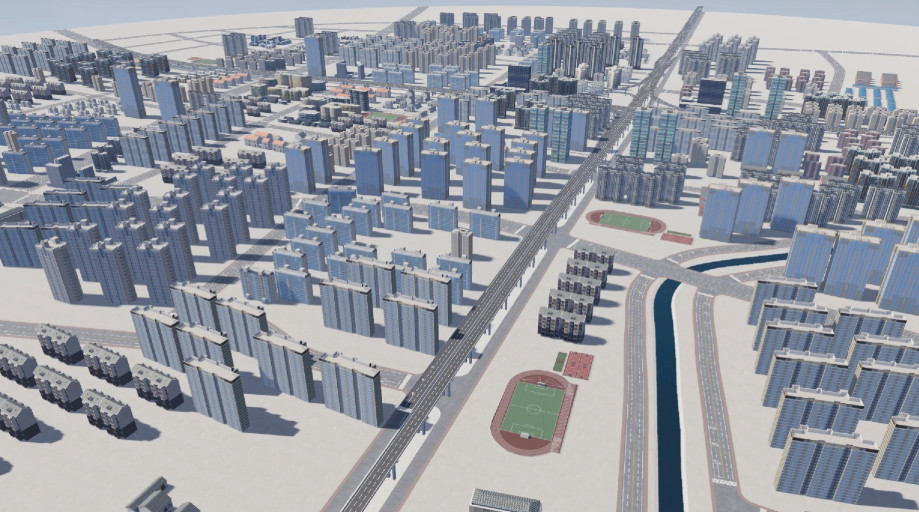
Digital Twin

Building virtual replicas of factories, parks and cities for simulation, monitoring and optimization, achieving real-time mapping between physical and digital worlds

3D Visualization

Used for product display, architectural表现, and scientific research visualization to present complex information in an intuitive way

GIS Applications

Fusing with geographic information data in urban information models for spatial analysis, planning decisions and resource management

Virtual Simulation and Training

Simulating equipment operation, emergency drills and surgical procedures to provide safe and efficient training environments

Games and Film

Creating virtual worlds and characters for game development, film production and animation creation

Integrable Subsystems

IoT Platforms

Binding models with real-time sensor data (temperature, pressure, position) to achieve status visualization and alarm linkage

Building Information Model/Asset Management Systems

Clicking model objects to query their full lifecycle information, such as equipment parameters, maintenance records and maintenance plans

Geographic Information Systems

Achieving bidirectional query and analysis of model attributes and spatial data to support spatial decisions and resource management

SCADA/Manufacturing Execution Systems

Real-time mapping of production status, equipment utilization rates and order progress in 3D models to achieve smart manufacturing

Command and Dispatch Systems

Performing resource positioning, path planning and emergency command in 3D scenes to improve decision-making efficiency

Core Value of Manual 3D Modeling

Manual 3D modeling creates precise and structured 3D assets, becoming a bridge connecting the physical world with digital business systems, providing a solid core foundation for various digital projects and empowering digital transformation and innovative applications across industries.

Contact Us

Consult 3D modeling solutions
Get a customized quote

Whether you need to understand the details of 3D modeling technology or want to get a project quote, our professional team will provide you with one-on-one consultation services.

Company Address

Room 1-1501, Jinhua Garden, No. 385 Jiaotong Avenue, Danyang Street, Xiaonan District, Xiaogan City, Hubei Province, China

Contact Phone

(+86)13004585899

Contact Email

service@secondmap.cn

微信二维码

Scan with WeChat

Inquiry form