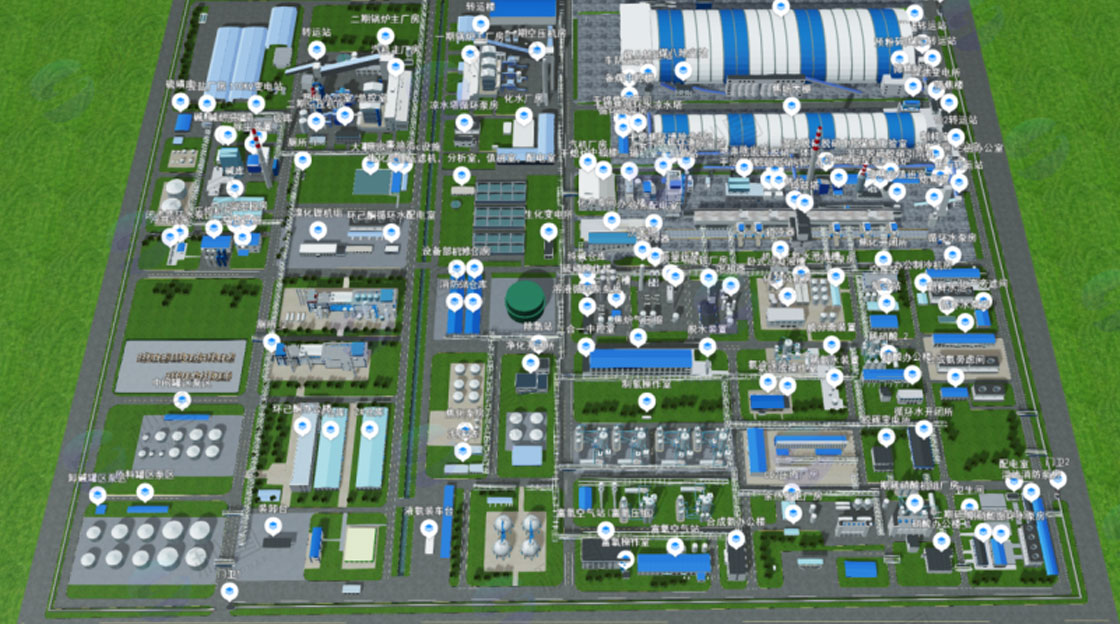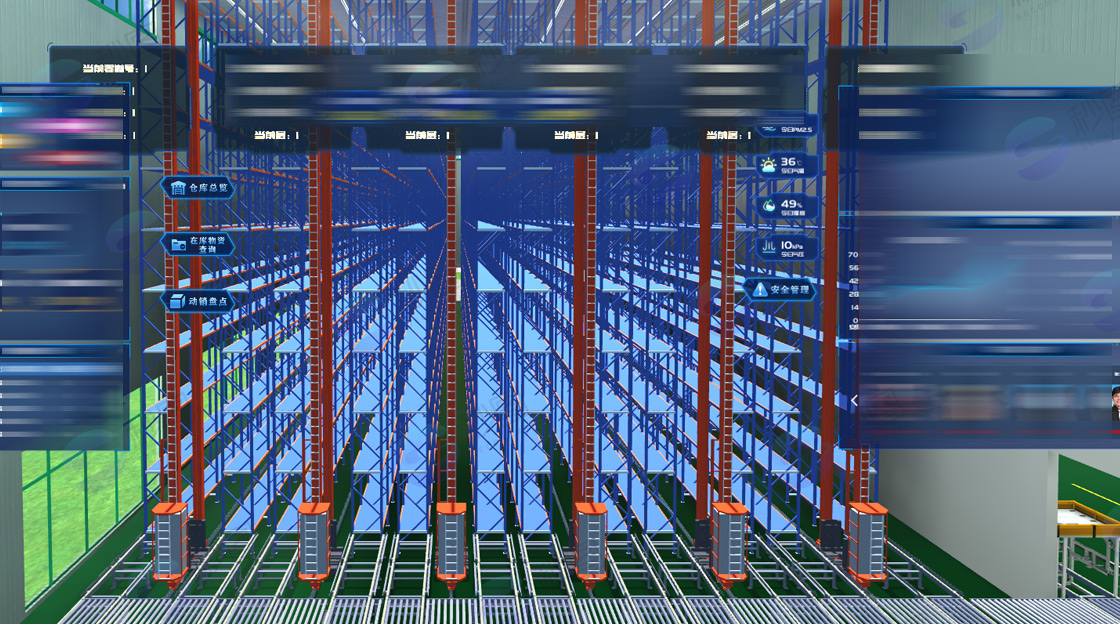
3D model accuracy analysis
According to industry consensus, 3D model accuracy is typically divided into five levels from L1 to L5.
L1 Level Modeling
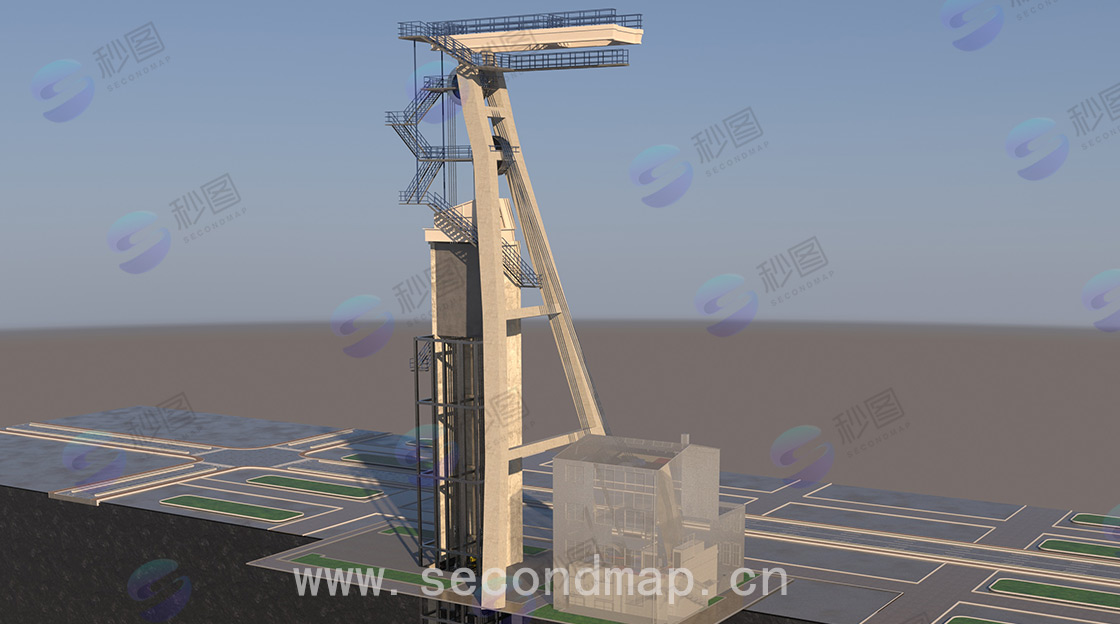
L1 level models, also known as white models, represent the most basic form of models. They only present simple geometric shapes, such as regular cubes, spheres, etc. Model construction relies solely on basic lines and faces, completely lacking complex elements and details, and without any materials or textures. They are commonly used for conceptual preliminary presentations to help quickly build overall frameworks.
L2 Level Modeling
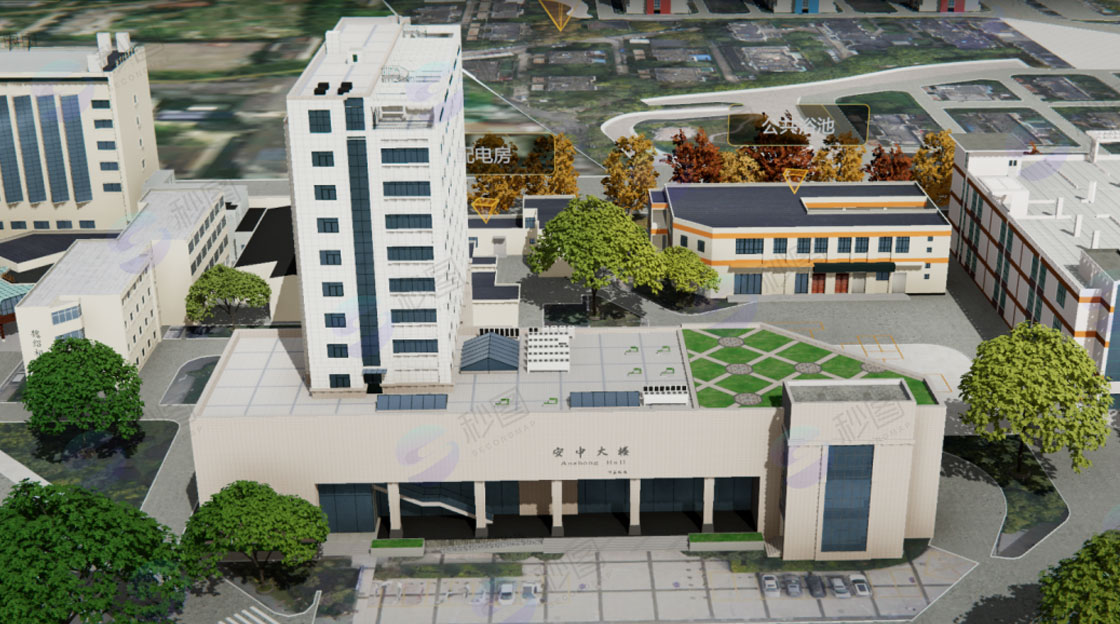
L2 level models show a certain degree of improvement in refinement. Although still somewhat abstract, they can already display basic shape characteristics. The models feature simple material settings, such as adding basic colors and textures, which enhances the visual recognizability of the models. They can be used in preliminary design phases to express the general direction of the design.
L3 Level Modeling
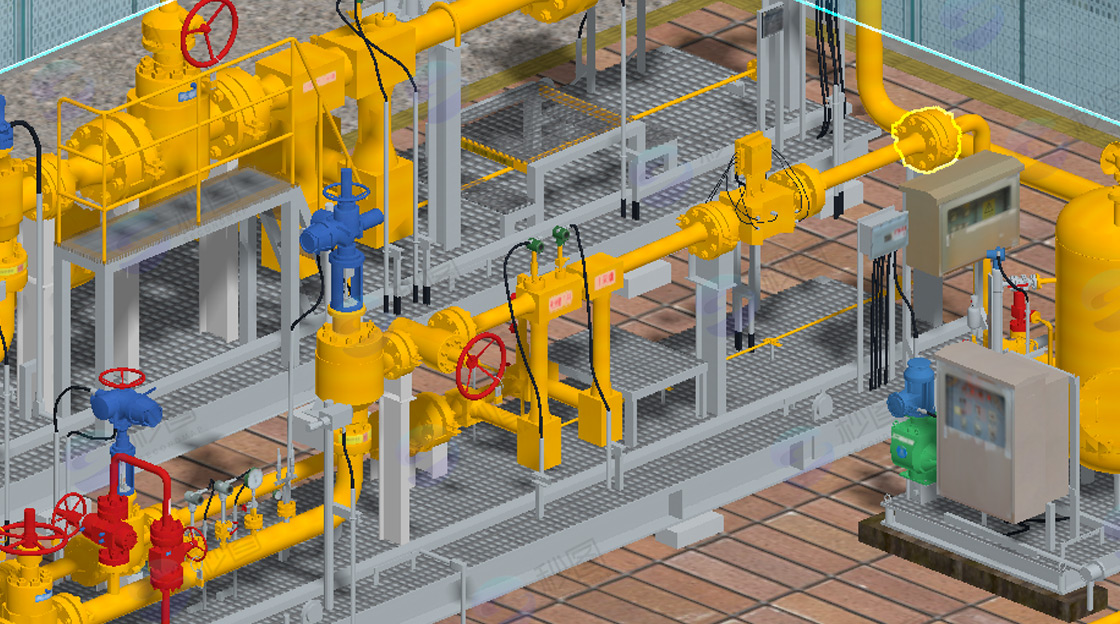
L3 level 3D models represent a significant breakthrough. Models at this level can display more details and features, with a relatively complete material system, making the 3D visualization more realistic and vivid. They can accurately present structural details of 3D elements such as buildings and equipment, playing a key role in factory 3D visualization projects. For example, they can clearly display the internal structure of large factory equipment, providing strong support for engineers in maintenance and upgrades.
L4 Level Modeling
L4 level models reach a high level of refinement. Building upon high precision, they incorporate complex rendering technologies such as ray tracing and volume rendering. Ray tracing technology accurately calculates light reflection, refraction, and scattering on object surfaces, simulating real-world light propagation paths, making the lighting effects on model surfaces more realistic. Even subtle metallic lusters and glass transparency can be vividly presented. Volume rendering focuses on processing volumetric objects like smoke and liquids, displaying these elements in a more natural form within the model. Through these technologies, L4 modeling creates near-real virtual environments, particularly suitable for scenarios requiring extremely high realism. It shows significant advantages in factory virtual assembly and virtual training scenarios.
L5 Level Modeling
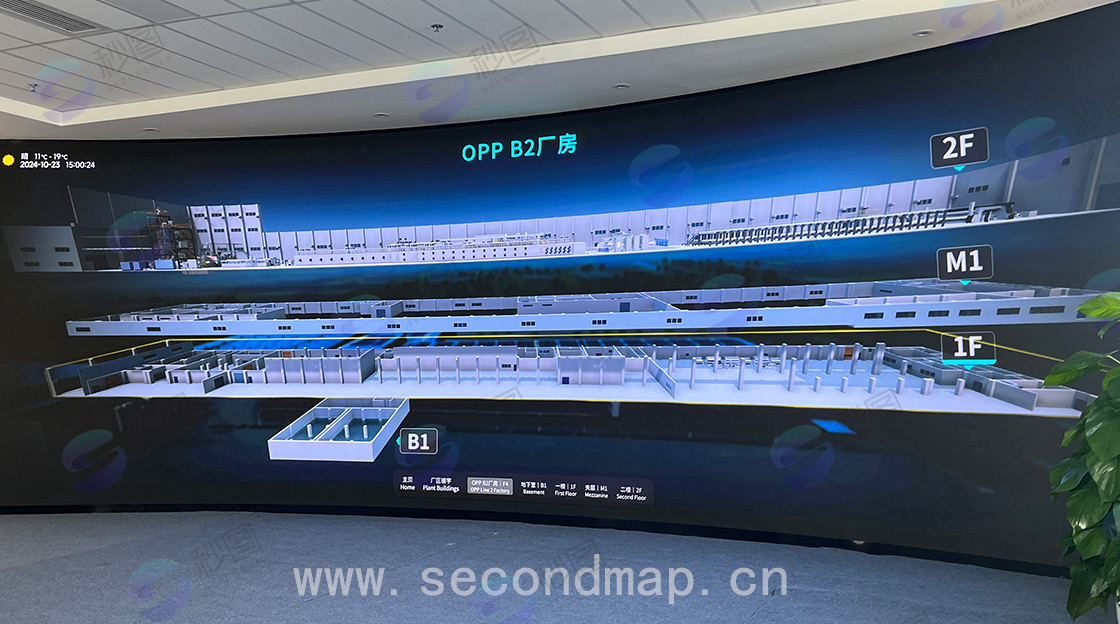
L5 level models represent the ultimate pursuit of current 3D modeling accuracy. In addition to all the characteristics of L4 level models, L5 level models reach new heights in physical simulation. They can accurately simulate physical properties of objects, such as mass, density, and elasticity, achieving nearly realistic physical interaction effects in virtual environments. For example, in simulating factory production processes, L5 level models can accurately present physical phenomena such as collisions and friction between products and equipment, providing more precise data support for process optimization. Meanwhile, L5 level models possess higher real-time capabilities, enabling real-time synchronization with changes in the real world. Whether it's real-time operational data of equipment or dynamic changes in the factory environment, they can be quickly reflected in the model, truly achieving seamless integration between virtual and real environments, providing powerful technical support for intelligent decision-making and real-time control in factories.