What to do if the 3D model is too large?
When a 3D model is too large, it can be resolved by optimizing the model itself, using professional tools, and adjusting hardware and software configurations.
Model Optimization
1. Simplify model structure.
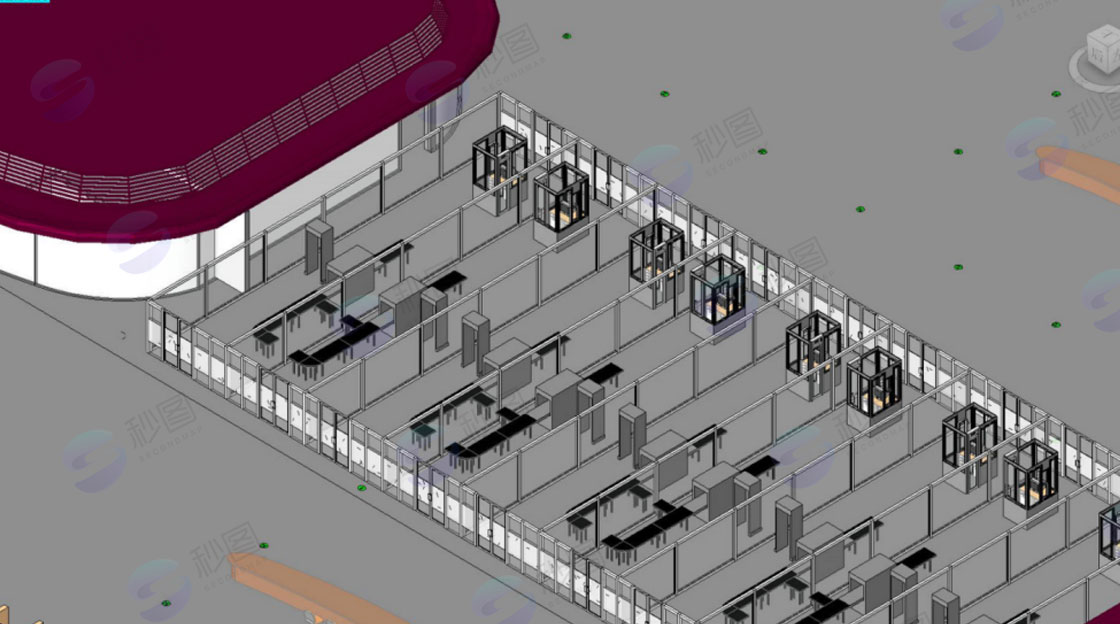
Carefully check the model and delete details that have little impact on the overall effect, such as small decorations, chamfers, non-critical textures, etc. When making architectural models, some small indoor ornaments can be deleted without affecting the overall structural display.
2. Merge and reuse elements.
Merge identical or similar model elements. For repeatedly used components, such as windows and stairs in architectural models, instances can be created, and instances can be copied to replace the creation of multiple identical models, reducing data volume.
3. Reduce model precision.
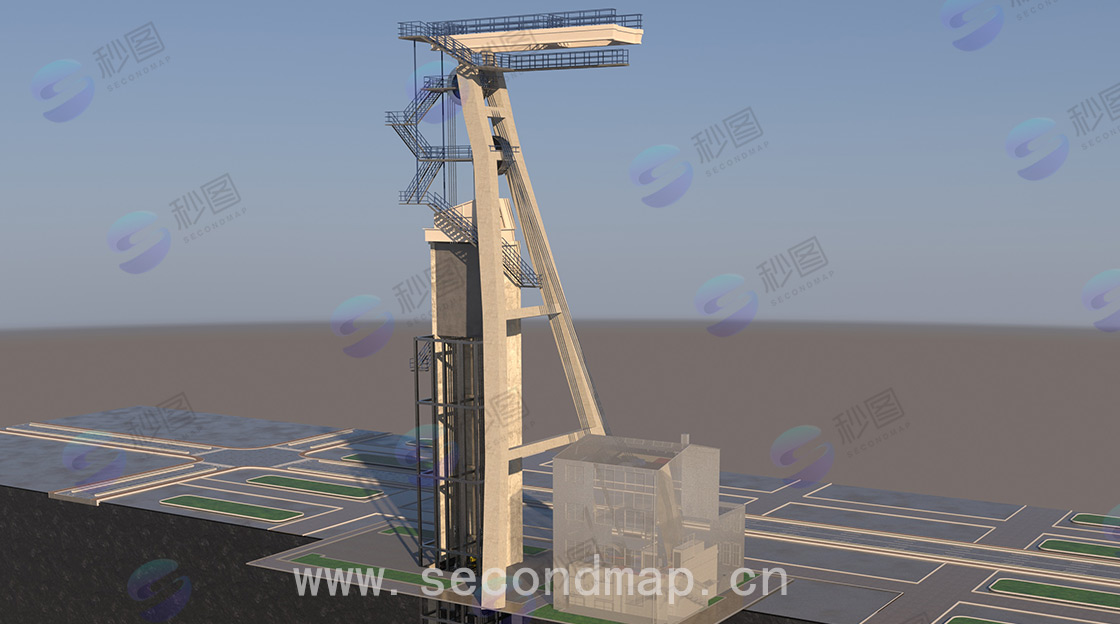
According to actual needs, appropriately reduce the precision of the model. In some scenarios where high precision is not required, the number of polygons can be reduced and the subdivision level of curves can be lowered. For mountain models in the distance in game scenes, lower precision models can be used for representation.
Tool Application
Use specialized 3D model lightweight tools, such as 3D Object Mover, MeshLab, etc. These tools can optimize and compress models, reduce model data volume through specific algorithms, and try to maintain the appearance and functionality of the model unaffected.
Convert the model to a more efficient format. Some formats inherently have better compression algorithms and data structures that can reduce model file size. For example, converting OBJ format to FBX format can sometimes significantly reduce file size. At the same time, during the conversion process, related software may provide some optimization options, such as removing redundant information and merging overlapping faces, which can further reduce model size.
Hardware and Software Configuration
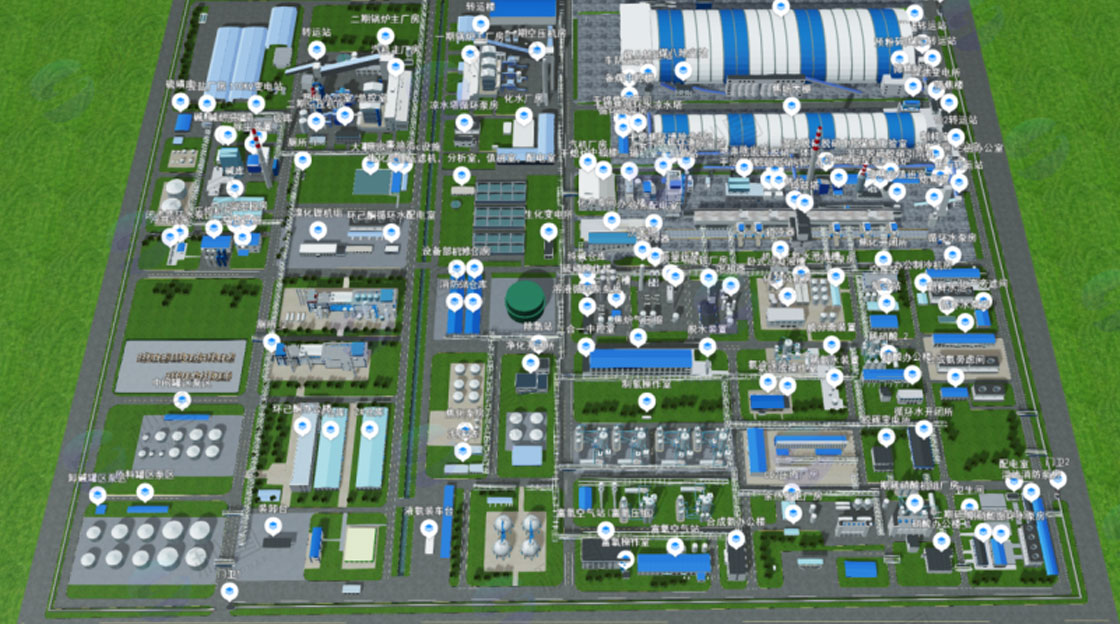
Store the model on a cloud platform, utilizing the powerful computing and storage capabilities of the cloud platform to process and manage the model, without storing the complete large model on local devices. Load on demand when needed.
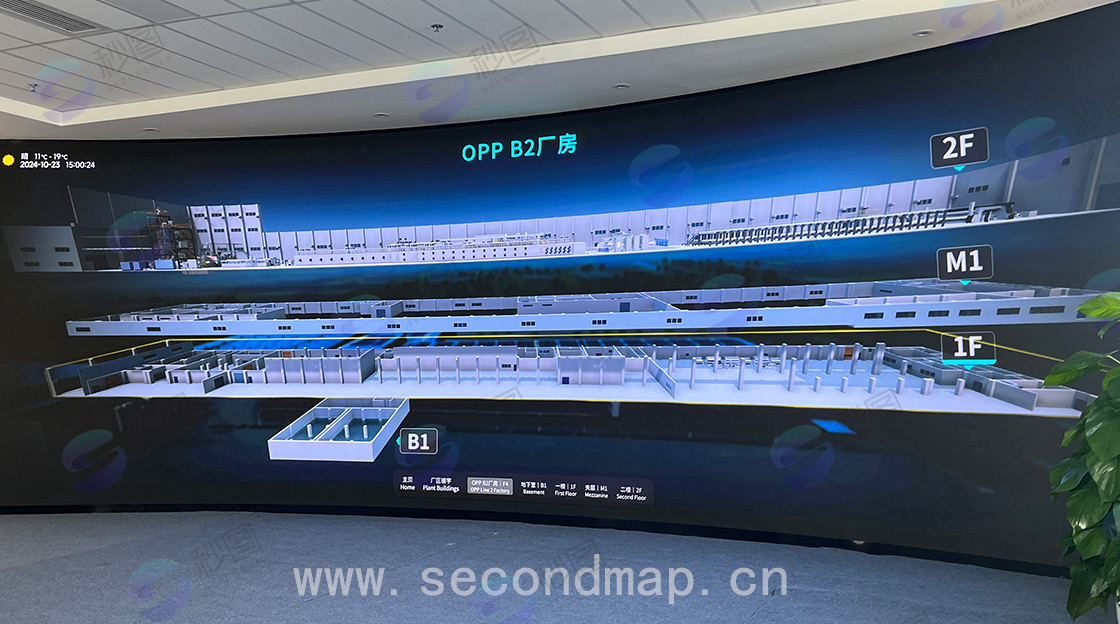
Use chunked loading in software, dividing large models into multiple small chunks, and loading the corresponding chunks only when a specific part needs to be displayed or used, avoiding memory insufficiency caused by loading the entire model at once.